Hawaii: HEMIC Drops Dividends for 20th Year in a Row

Hawaii Employers’ Mutual Insurance Co. Inc. (HEMIC) announced $5 million in dividends to workers’ comp policyholders this year, according to Maui Now.
HEMIC is the largest comp insurer in Hawaii, covering over 7,000 businesses and 75,000 workers in a state of just 1.4 million people. This year’s dividend payout is the 20th in a row, with HEMIC distributing roughly $63 million to policyholders since 2007.
Policyholders must be insured for more than one consecutive policy term and “demonstrate a history of strong workplace safety” to qualify for the dividend; about 80% of HEMIC policyholders reportedly qualify under these terms.
As in most states, loss cost and premium rates have decreased in Hawaii in recent years. Hefty dividend payouts from public, mutual, and various non-profit insurers in recent years have added to the rosy picture for employers nationally. As workers’ comp performs strongly as a line of insurance and workplace safety improves broadly, insurers are passing the wins on to employers.
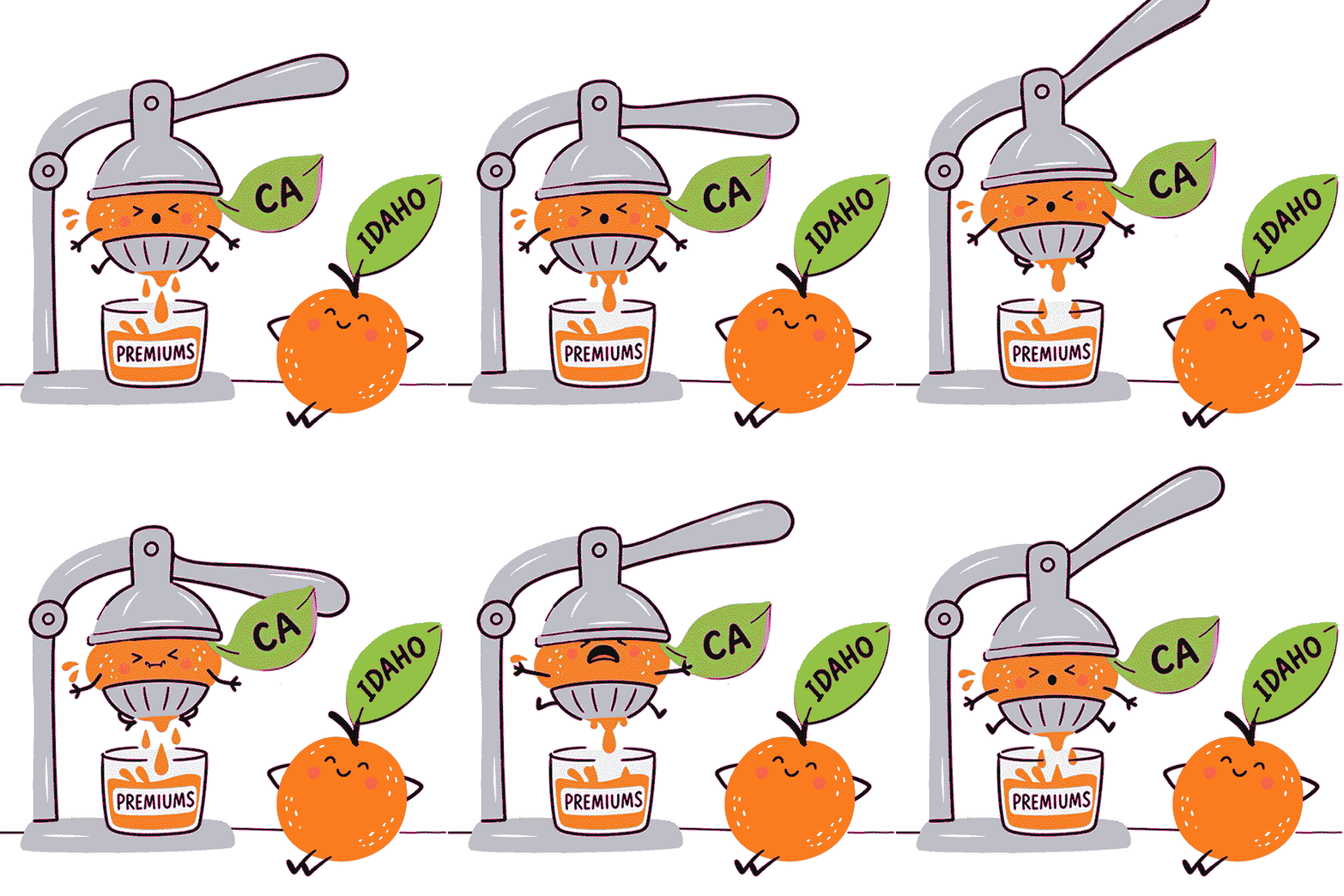
…at least, that’s the case almost everywhere except California.
California premiums went up for the second consecutive time this year, largely on the recommendation of the Workers’ Compensation Insurance Rating Bureau (WCIRB). The WCIRB and other payer advocates seem to have settled on a vaguely defined and poorly supported narrative about the costs of Cumulative Trauma (CT) claims and “unlisted” medical services to justify the hikes, despite legal and administrative expenses accounting for a massive share of claim costs.
Hawaii Rewards Employers
Like the majority of states, Hawaii determines workers’ comp loss costs, which directly inform premium rates, based on recommendations from the National Council on Compensation Insurance (NCCI). The NCCI has proposed cuts to loss costs over the last several years.
According to WorkCompCentral, this year’s dividend payout matches the largest in HEMIC’s history; the company also declared a $5 million payout for 2025.
HEMIC invests in workplace safety programs for policyholders and manages its capital and investments effectively, resulting in consistent dividend payouts. HEMIC considers those dividends a just reward for employers who do their part to mitigate risk and work to prevent injuries in the first place.
As HEMIC CEO Martin Welch put it in a statement to Maui Now:
“As a mutual insurance company, our success is shared with our policyholders who help keep Hawaii safe…It is not a gift. It is a return on the safety efforts of our policyholders and on the trust they place in us to financially protect them.”
California Bucks the Trend
In September, California increased premium rates for the second consecutive year. The WCIRB, along with the California Workers’ Compensation Institute and other payer advocates, has been publishing reports based on opaque, unverifiable data that suggest rising medical costs. These reports pinpoint CT claims in particular, but without “connecting the dots” in any meaningful, data-based way.
WCIRB reporting also warrants a healthy grain of salt, given its well-documented penchant for understating insurers’ financial performance.
Aside from hazy insinuations about CT, California’s status as a comp outlier has little plausible explanation: comp insurers are profiting nationally, California's loss ratios are healthy, and California’s State Compensation Insurance Fund is also paying huge dividends to policyholders.
Meanwhile, California providers receive some of the lowest reimbursement rates among fee-schedule states, and that’s before rampant network discounting takes its toll.
California is the largest comp market in the United States, yet somehow manages to exempt itself from a national trend of soaring success, to the detriment of employers statewide. The reasons for this are only hinted at, never fully explained or analyzed.
Employers are paying more and getting less, and it’s beyond time they were told why.
daisyBill gets providers paid faster and more accurately for workers’ comp medical treatment. Click to see how:
BILL BETTER: DAISYBILL
DaisyBill provides content as an insightful service to its readers and clients. It does not offer legal advice and cannot guarantee the accuracy or suitability of its content for a particular purpose.