One Call: Providers, Don’t Pay to Get Paid
.gif)
One Call is transitioning reimbursement for physical medicine services to payment processing service Zelis, effective September 3, 2026.
The network payer is asking providers to choose one of four possible ways to receive reimbursement for treating injured workers. Providers, beware: two of those four payment methods will saddle your practice with unnecessary fees that you are under no obligation to accept or pay.
The notice to providers set out two fee-incurring payment options where the provider incurs charges that can add up to significant losses over time:
- ZAPP Edge system and
- Virtual Credit Card (VCC)
The alleged benefits of these fee-incurring methods are questionable at best, especially given state workers’ comp payment requirements, including timely payment deadlines and mandatory electronic Explanations of Review (e-EORs) in states like California.
More importantly, One Call is offering providers two FREE payment options where the provider does not incur a fee payment fee:
- Automated Clearinghouse (ACH) payments (free)
- Paper checks (free)
Bottom line: don’t pay One Call for the privilege of receiving the timely reimbursement to which the law already entitles you.
Choose Carefully to Avoid Fees
In the letter below, One Call reminds providers that Zelis will take over issuing payments on One Call’s behalf starting September 3. The letter encourages providers to choose their preferred payment method from a list that includes:
- ZAPP Edge (fee-incurring)
- VCC payments (fee-incurring)
- Automated Clearinghouse (ACH) payments (FREE)
- Paper checks (FREE)
The default option appears to be paper checks. Following the instructions for enrolling in ZAPP Edge, VCC, or One Call ePayment, the letter states, “If you choose not to enroll, you will receive payments via paper check.”
While providers can presumably update their choice at any time, the One Call letter “encourage[d]” providers to confirm their choice by August 28; providers who wish to opt out of fee-incurring payment methods should do so as soon as possible, as One Call/Zelis may start imposing fees as soon as this week.
The letter touts the supposed advantages of ZAPP Edge; however, these “benefits” are arguably dubious:
- “Aggregated payments”: Presumably, this means lumping various payments together in ways that could arguably make revenue management more difficult and payments harder to reconcile with billed charges.
- Managing “835 Delivery”: This refers to e-EORs, which are a legal requirement for electronic bills (e-bills) in many states, including California. No provider should pay One Call to be legally compliant.
- “Data and performance insights”: While ZAPP Edge may include some useful data (we haven’t seen its inner workings or dashboard), we advise providers to use e-billing software that collects and organizes data on the practice’s end, for all payers.
Always Say “No” to VCC Payments
We strongly discourage providers from opting in to VCC payments from One Call or any other payer.
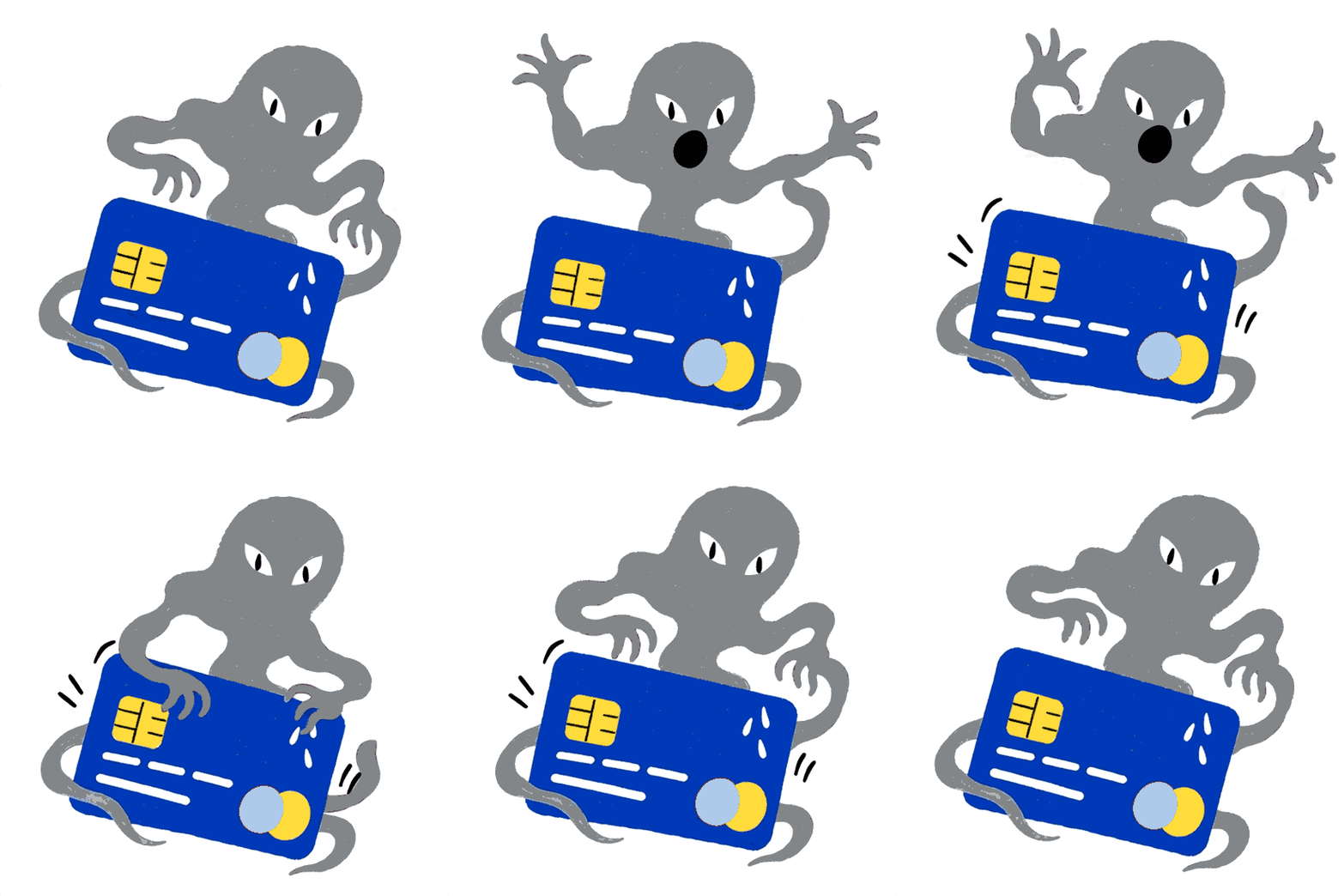
For patients with private group health insurance, it may make sense to accept credit card payments for copays. But in workers’ comp, a provider who accepts a credit card from a payer incurs fees on the entire bill.
As daisyBill has warned for years, VCC transaction fees can range from 2% to 7% of the total payment amount. Because VCC payments are considered higher-risk as “card not present” transactions, the fees tend to be on the higher end.
The practice arguably receives no real benefits from these fees. For example, in California, a provider simply sending an e-bill requires the payer to reimburse within 15 working days by law (daisyBill providers receive payments in less than 10 days on average). VCC payments offer no demonstrable advantage in speed, security, or any other meaningful metric.
We urge providers billing One Call to confirm which payment method they are currently utilizing, and to switch to a fee-free option if applicable. Don’t add unnecessary losses to your financial outlook.
daisyBill empowers providers with easy, accurate billing, so you can say “yes” to treating injured workers. Click below to learn more:
BILL BETTER: DAISYBILL

DaisyBill provides content as an insightful service to its readers and clients. It does not offer legal advice and cannot guarantee the accuracy or suitability of its content for a particular purpose.


🙌