daisyNews: Top 10 Articles of 2026 (So Far)

The year isn’t over, but summer is finished and 2026 has given daisyNews plenty to report on, expose, analyze, and fume about.
Before we see what the rest of this year has to offer, let’s take a beat to reflect on what resonated most with you, our beloved readers. Below, see the top ten articles we’ve published this year so far.
We’re only one company, and we have only two levers to pull to help injured workers get the care they need: empowering doctors with innovative billing tech and shining the brightest light we can on the abuses, inconsistencies, and occasional glimmers of hope we see.
As always, our sincerest thanks go to the providers, billers, employers, attorneys, claims administrators, and others who read, comment, and otherwise engage with our work. That includes those who disagree with our (sometimes spicy) takes.
If it obstructs injured workers’ care or drives more providers to flee the system, we call it out. If it helps the workers’ comp work better, we praise it. What we say might ruffle the occasional feather, but what we’ll never say is nothing.
daisyNews Top 10: January-July 2026
1. TRPN DirectPay Sends Provider Dangerous “Agreement”: One of the shadiest companies ever to bamboozle providers sent out a Trojan horse document purporting to be HIPAA-related, but that actually serves as a reimbursement nightmare of a discount contract.
2. CA DWC to Enact Useless New UR Regulations: Eight years after major legislation passed to speed up care delivery to injured workers, California’s comp agency finally promulgated regulations to support it. Unfortunately, those regulations have the same pitfalls and loopholes as the relevant law.
3. Sedgwick’s Sloppy Handling of Starbucks Claims: One of the largest (and one of the least compliant) payers in comp showed how much havoc a Third-Party Administrator (TPA) can create for doctors, on behalf of one of the most recognized brands in America.
4. New CA Intake Form for Workers’ Comp Patients: Gathering the right information at intake is a provider’s first defense against administrative snags down the road. We created a custom intake form for California comp patients, free for any provider to use.
5. CA SIBTF Paid $725,570 in Med-Legal Costs for a Single Claim: That number is not a typo. A program initially designed to encourage the hiring of previously disabled workers has devolved into a financial dumpster fire.
6. Providers Beware: Jopari Virtual Credit Card Payments: A major clearinghouse is trying to convince providers to accept credit card payments from claims administrators. There’s no good reason to say “yes,” unless you like paying pointless fees.
7. Alert: Providers, Opt Out of CCMSI Virtual Credit Card Payments Now: Speaking of credit card payments, a TPA and its associated vendors require providers to actively opt out of its fee-incurring payment system.
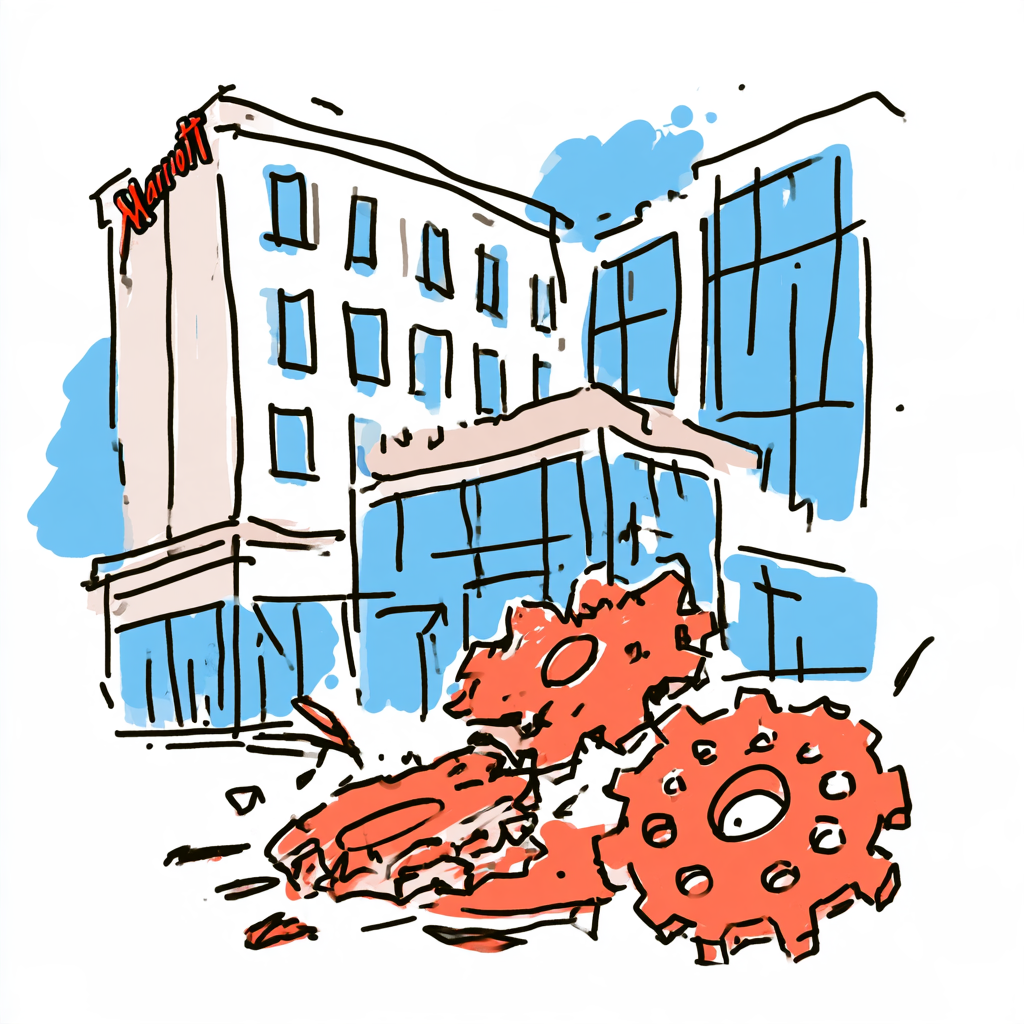
8. Genex Claims Marriott Doesn’t Accept e-Bills (It Does): For reasons unknown to anyone outside of Genex, the bill review service keeps misinforming providers re: electronic bills, which state law requires every payer to accept, including Marriott.
9. CA: Maximus Indicates “IBR Chicken” Is Real: For years, we’ve complained about payers that refuse to reimburse correctly, right up until the provider’s request for help from the state inspires a sudden change of heart. Now, the state’s independent reviewer acknowledges the unfortunate pattern.
10. Gold Star: CA State Fund Reverses Denial, Pays Penalties & Interest: It’s not all bad (daisy)news out there. California’s non-profit insurer of last resort made an honest mistake, then owned it in a way that far too few payers ever do.
daisyBill gets providers paid faster and more accurately for treating injured workers. Click below to learn more:
BILL BETTER: DAISYBILL

DaisyBill provides content as an insightful service to its readers and clients. It does not offer legal advice and cannot guarantee the accuracy or suitability of its content for a particular purpose.


For all of us, who fight the battles daily for our doctors. THANK YOU ! DAISY BILL = Writing Robin Hoods!