Denied Care Due to Prior Authorization? ProPublica Wants to Know.
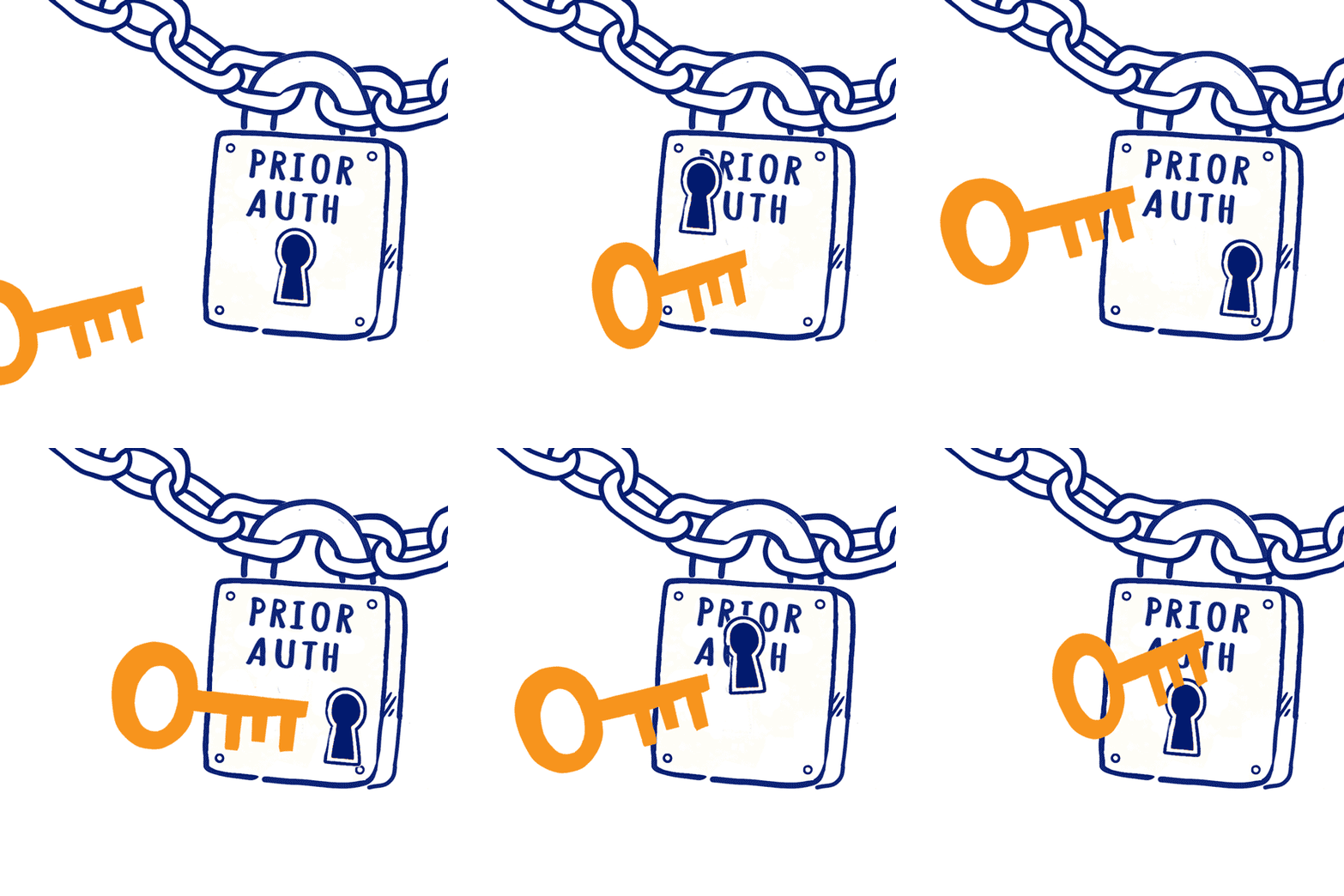
As the debate over prior authorization of medical care rages on, ProPublica wants to hear from patients, providers, and practice staff about delays and denials of necessary care.
If you have knowledge of appropriate medical treatment being derailed by the prior authorization process under Medicaid, Medicare, the Children’s Health Insurance Program (CHIP), or Affordable Care Act (ACA) marketplace plans, share your story with ProPublica here.
In 2025, insurer organization AHIP announced that major insurers would “streamline” and “simplify” prior authorization by committing to several reforms designed to minimize obstacles to treatment. Now, ProPublica wants to know whether substantive action followed that pledge or whether the promise was an empty public-relations gesture.
As advocates for injured workers who suffer under workers’ comp Utilization Review requirements, daisyNews frequently witnesses what happens when payers dictate care. Many of our readers and clients treat patients under the programs listed above; we urge them to contribute to ProPublica’s efforts where applicable.
If you have a patient (or are a patient) whose treatment has been delayed or denied by prior authorization, don’t keep it to yourself. ProPublica will not publish your story without your consent.
Insurers’ Pinky Promise to Streamline Prior Auth
Following years of bipartisan outrage over prior authorization practices, AHIP (formerly America’s Health Insurance Plans) members, including AmeriHealth, multiple Blue Cross Blue Shield companies, The Cigna Group, Humana, UnitedHealthcare, and more made the voluntary pledge in June 2025 to:
- Create a standardized, common electronic prior authorization process by January 1, 2027
- Reduce the scope of claims that are subject to prior authorization by January 1, 2026
- Honor existing prior authorizations when a patient changes insurers (for 90 days) starting January 1, 2026
- Provide clear explanations of prior authorization decisions, including how to appeal by January 1, 2026
- Communicate at least 80% of prior authorization approvals “in real-time” in 2027
- Continue ensuring human medical review for all prior authorization denials in the future
If you think that trusting for-profit insurance behemoths to voluntarily take steps that would likely increase their payouts is naive (or laughable), you’re not alone.
The Prior Auth Plague
For years, ProPublica and other advocates have documented how prior authorization requirements can act as nothing more than stumbling blocks on the road to recovery.
Low rates of appeals against treatment denials, combined with high overturn rates for patients that do push back, strongly suggest that some insurers take a “deny first and see what happens” approach. In 2026, KFF found that appeals against prior authorization denials overturned:
- 67% of appealed denials under Medicare Advantage plans (which are privately administered, despite carrying the “Medicare” branding)
- 47% of appealed denials under Medicaid managed care plans
- 43% of appealed denials under ACA marketplace plans
Moreover, even though physician reviewers must affirm any denial of treatment, implementing automated prior authorization technology can bring on a deluge of denials that human reviewers struggle to keep up with.
In 2024, ProPublica reported that the nation’s largest insurers, collectively covering over 100 million people, hired EviCore to handle prior authorization requests. Reportedly, EviCore uses algorithmic adjustments like a “dial” to increase the chances of denials, and advertised a three-to-one “return on investment” for insurers as a result.
Meanwhile, even in public health, Artificial Intelligence (AI)-driven prior authorization requirements have infected Medicare. In six states, private companies contract to conduct medical review, with treating providers complaining that practices are struggling to keep up with the resulting “process errors.”
In other words, even when algorithmic prior authorization has nominal guardrails in the form of human physician reviewers, the sheer volume of denials can overwhelm those safeguards.
AHIP members’ pledge to mitigate the negative impact of prior authorization proves one thing above all: insurers are keenly aware of public outrage over the practice. Whether these insurers’ voluntary measures have any real-world effect is an open question, one that ProPublica wants to help answer.
We invite our readers to join ProPublica in holding insurers to account in their alleged efforts to reform prior authorization outside of workers’ comp, as daisyNews continues to spotlight systemic authorization issues within workers’ comp.
daisyBill gets providers paid faster and more accurately for comp treatment. Click to see how:
BILL BETTER: DAISYBILL
DaisyBill provides content as an insightful service to its readers and clients. It does not offer legal advice and cannot guarantee the accuracy or suitability of its content for a particular purpose.