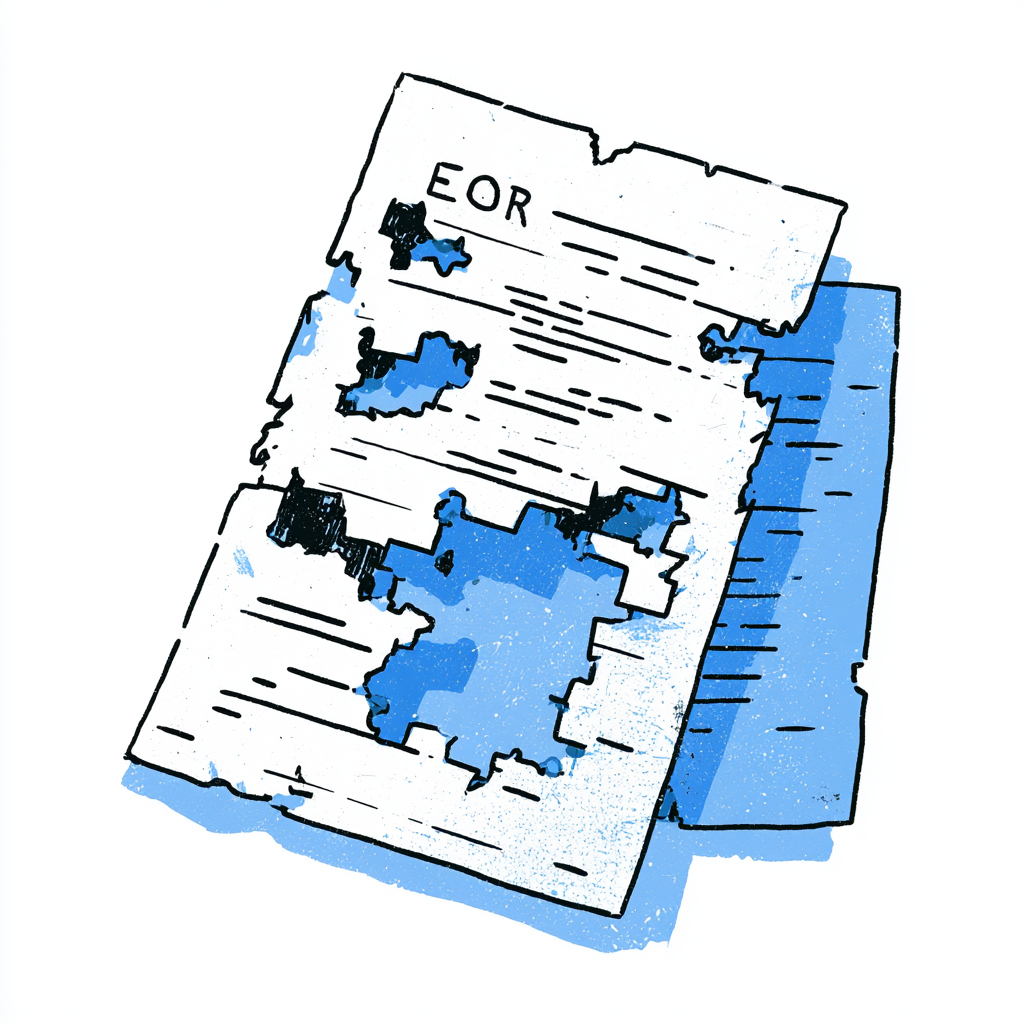
CA Provider Warning: UEBTF Payment Delays

California’s Uninsured Employers Benefits Trust Fund (UEBTF) serves an important function: to cover treatment and benefits for injured workers whose employers illegally failed to secure comp coverage.
Unfortunately, UEBTF can make it an administrative nightmare for providers to treat the workers it exists to support.
In addition to disregarding payment rules and deadlines (given its murky status as a quasi-claims administrator), UEBTF will not reimburse a provider until the underlying case in chief has been settled, potentially creating significant delays in payment for treating these injured workers.
Because UEBTF handles claims where both the employer’s liability and inability to pay must be confirmed, providers who treat UEBTF-covered workers may wait interminably for reimbursement.
When daisyCollect contacted UEBTF about an overdue payment for Medical-Legal services, UEBTF representatives ignored our repeated emails for months before eventually directing us to the adjuster. The adjuster then issued a letter stating that the case in chief was not settled and that the Workers’ Compensation Appeals Board (WCAB) had not yet issued a formal award against the uninsured employer; therefore, UEBTF would not pay for the services.
While UEBTF may be within its rights not to reimburse until the state formally confirms its liability, that should not exempt it from its obligation to respond compliantly to bills and issue proper, timely Explanations of Review (EORs). Providers should not have to chase UEBTF down for the basic information and documents that California law normally requires payers to provide.
This UEBTF payment abuse is the reality providers who choose to treat UEBTF-covered patients must contend with.
UEBTF is a necessary backstop for injured workers who lack coverage through no fault of their own. That acknowledged, providers should seriously consider the possible financial consequences of taking on UEBTF-covered workers. Those who do shouldn’t hold their breath while waiting to get paid.
UEBTF: No Pay Until Case in Chief Is Settled
In March of this year, daisyCollect submitted a bill on behalf of a Qualified Medical Evaluator (QME) whom the parties had engaged to help resolve a Medical-Legal dispute. California law gives payers 60 days to respond with payment and/or an EOR, yet by July, UEBTF had not responded to the bill.
Accordingly, a daisyCollect agent emailed UEBTF requesting a payment status update and the EOR. UEBTF provided neither, responding only with the adjuster’s contact information after daisyCollect followed up twice more.
When daisyCollect emailed the adjuster directly, the adjuster cited California Labor Code Section 3715 and stated that the UEBTF “does not pay” until the case-in-chief has settled and/or the WCAB issues an award against the employer.
The adjuster attached the letter below, reiterating those points and noting that penalties and interest for late payment do not apply to UEBTF (in case we were wondering).
The letter above arrived in mid-September, nearly six months after UEBTF first received the QME’s bill.
Any other payer would be subject to penalty and interest payments after 60 days without responding to a Medical-Legal bill. Any other payer would violate California law by failing to provide a compliant, timely EOR instead of a form letter.
Unfortunately, UEBTF is not “any other payer.”
Providers who choose to treat UEBTF patients must contend, at the very least, with the administrative delays inherent in establishing UEBTF’s liability to pay. Beyond that, providers must contend with UEBTF’s disregard for normal payment obligations and the apparent unhelpfulness of its staff.
Providers can do little about this except avoid treating injured workers when the payer is UEBTF. Providers who choose to accept that burden cannot expect anything resembling timely reimbursement.
daisyBill gets providers paid faster and more accurately for treating injured workers. Click below to learn more:
BILL BETTER: DAISYBILL

DaisyBill provides content as an insightful service to its readers and clients. It does not offer legal advice and cannot guarantee the accuracy or suitability of its content for a particular purpose.