CA Supreme Court Enforces WCAB Deadlines

In a major win for an injured worker, California’s Supreme Court rejected a payer’s challenge to the worker’s disability status because the Workers’ Compensation Appeals Board (WCAB) missed its deadline to reconsider the case.
It’s an all-too-rare example of this kind of accountability, in a system where state entities and payers alike historically treat deadlines as suggestions rather than requirements.
It took a ruling from the state’s highest court, but deadlines matter at the WCAB, at least. Otherwise, there’s a serious double standard in California workers’ comp regarding deadlines.
Payers routinely fail to timely respond to bills, appeals, and treatment requests without consequence, with penalties and interest for late payment considered “self-executing” and other penalties being exceedingly rare in practice. Meanwhile, under its previous leadership, the California Division of Workers’ Compensation (CA DWC) repeatedly missed deadlines to assign billing disputes for independent review.
Yet, if a provider misses the deadline to submit a bill, appeal, or request for review by a day, they automatically forfeit any reimbursement owed. Injured workers who do not timely appeal treatment denials can have no expectation of being heard.
Enforcing the WCAB’s deadlines is a great start. If only other comp deadlines were just as firm.
Missed Deadline Precludes Payer’s Challenge
In 2013, an employee suffered an injury while working for the Ross Valley Sanitation District, a self-insured employer that uses Athens Administrators as its Third-Party Administrator. A workers’ compensation judge determined that the worker was totally and permanently disabled.
Ross Valley Sanitation filed a timely petition with the WCAB seeking reconsideration of the ruling. At the time, California Labor Code Section 5909 mandated that unless the WCAB acted on the petition within 60 days of the employer’s filing, the petition was considered denied.
According to the WCAB, the petition did not reach the Board until well past the 60-day deadline due to an unspecified “administrative irregularity.” The WCAB granted the petition, but by that point, 144 days had elapsed since the filing.
Accordingly, the injured worker argued that the Labor Code rendered the employer’s petition invalid. The California Supreme Court agreed and tossed Ross Valley’s case, preserving the injured worker’s disability benefits.
California has since updated § 5909 to start the 60-day clock from the day the judge sends the petition to the WCAB, rather than from the day the petition is filed.
Now Let’s Enforce the Other Deadlines
With the 60-day deadline to file a petition for reconsideration with the WCAB now affirmed, California comp would function a lot better if a few other deadlines had some teeth:
- The 15-day deadline for payers to remit payment in response to an electronic bill (e-bill): Penalties and interest do not apply until 45 days have passed (60 days in the case of a government employer). Moreover, the penalties and interest are “self-executing,” i.e., unenforced.
- The 15-day deadline for payers to send an electronic Explanation of Review in response to an e-bill: this deadline is routinely violated.
- The 14-day deadline for payers to respond to a Second Review appeal: as Sedgwick recently demonstrated, a “Second Review Snub” (aka, ignoring the appeal) has precluded Independent Bill Review (IBR), forcing the provider to file a lien with the WCAB and making it more likely that the provider will simply give up.
- The 30-day deadline for the CA DWC to assign providers’ IBR requests, which the agency (under its former Administrative Director) violated in 96% of cases in 2025.
If a provider fails to file a bill, appeal, or IBR request on time, the consequence is automatic: the payer keeps every cent in dispute. In practice, there are few, if any, consequences for violations of the deadlines above. This compliance double standard is surely a factor in the continuing exodus of providers from the workers’ comp system.
In the absence of consequences, laws and regulations are worth little.
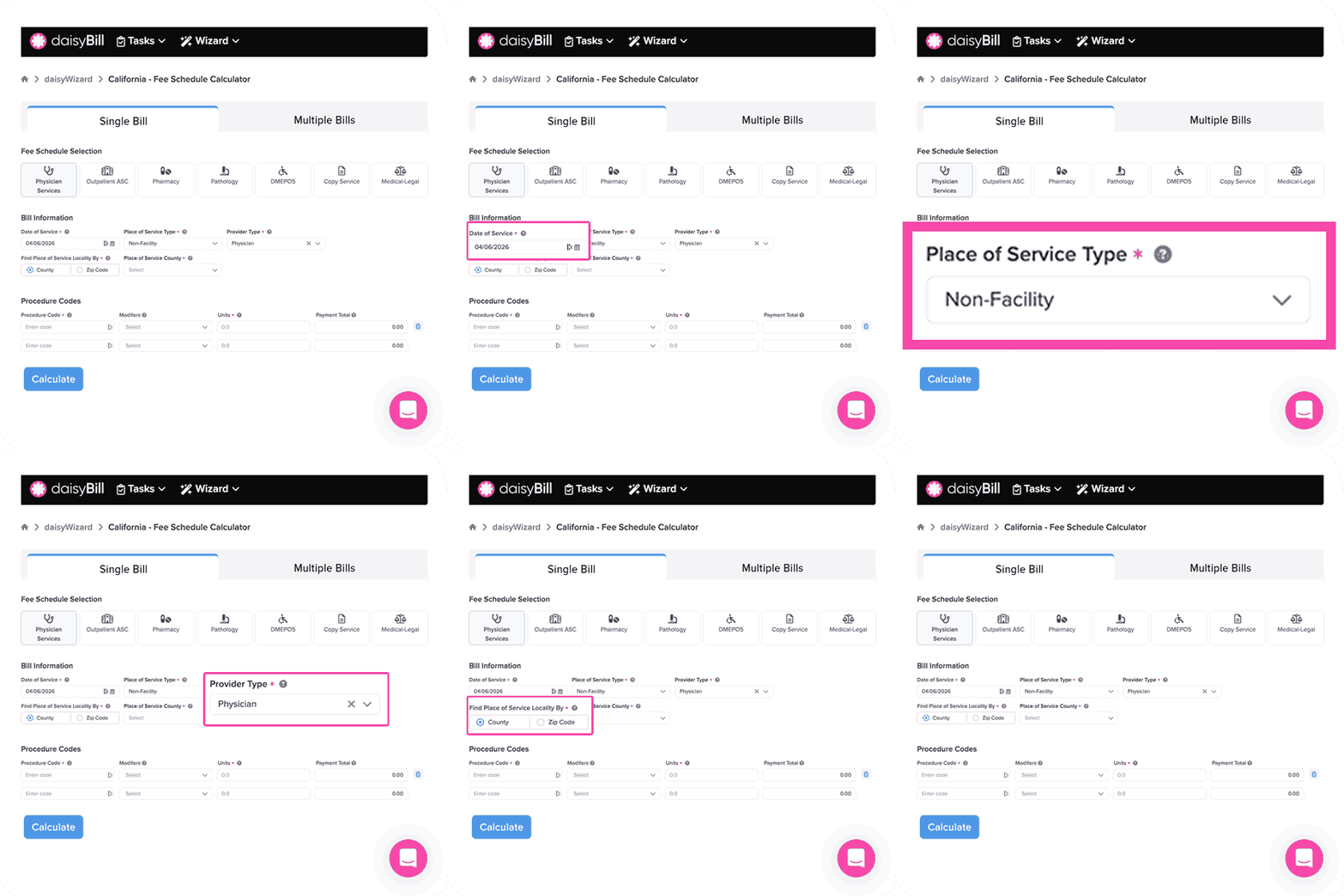
daisyBill tracks responses to every one of your bills, so you know whether payment is on time. Click to learn more:
BILL BETTER: DAISYBILL




DaisyBill provides content as an insightful service to its readers and clients. It does not offer legal advice and cannot guarantee the accuracy or suitability of its content for a particular purpose.

EXPOSE all the abusers of the DWC regulations. Providers get held accountable for missing deadlines all the time, but Insurance carriers and bill review do not!