CA DWC Broke the Law in 96% of 2025 IBR Cases
.gif)
A daisyBill analysis of state records shows that the California Division of Workers' Compensation (CA DWC) violated state law in 96% of Independent Bill Review (IBR) cases in 2025.
To dispute an incorrect reimbursement, California law requires a provider to pay $195 and request that the state conduct IBR within 30 days of receiving the final Explanation of Review (EOR) from the payer.
By law, the CA DWC must assign the IBR request to Maximus, the state’s designated independent reviewer, within 30 days of the provider’s request. Yet, the CA DWC adhered to this 30-day deadline for only 4% of the IBR requests submitted by providers in 2025.
Of the 2,805 IBR requests providers submitted last year, the CA DWC timely assigned only 105. For the other 2,700 IBRs, the providers were left waiting, some for as long as 232 days, while the agency ignored its legal deadline with impunity
In effect, the CA DWC enforces the law against providers while violating it themselves.
For providers, there are no excuses, grace periods, or room for error in the payment appeals process. If a provider misses the 30-day deadline to request IBR by a single day, they forfeit the amount in dispute. But when the CA DWC misses its deadline by eight months, there’s zero accountability.
These appalling IBR statistics reveal a pattern of disregard for the law by the very agency that should protect providers from abuse, and helps explain why California doctors often refuse to treat injured workers.
The CA DWC's non-compliance ultimately hurts employers, which pay rising workers' comp premiums to fund medical care that their injured employees struggle to find.
Data: CA DWC Rarely Adheres to Labor Code
To protect providers' rights and ensure the financial feasibility of treating injured workers, California law established IBR to dispute incorrect payment amounts. California Labor Code § 4603.6 is unambiguous (emphases ours):
“Upon receipt of a request for independent bill review and the required fee, the administrative director [of the CA DWC]...shall assign the request to an independent bill reviewer within 30 days...”
In 2025, the CA DWC missed this deadline in 96% of cases, assigning only 105 of 2,805 IBR requests on time. This caps eight years of increasing CA DWC non-compliance with this law, as the table below shows.
Year |
Number of IBR Cases |
Timely Assignments |
% Timely Assignments |
Late Assignments |
% Late Assignments |
2018 |
1,140 |
791 |
69% |
349 |
31% |
2019 |
813 |
610 |
75% |
203 |
25% |
2020 |
1,446 |
916 |
63% |
530 |
37% |
2021 |
3,172 |
936 |
30% |
2,236 |
70% |
2022 |
2,790 |
547 |
20% |
2,243 |
80% |
2023 |
2,505 |
498 |
20% |
2,007 |
80% |
2024 |
3,477 |
1,412 |
41% |
2,065 |
59% |
2025 |
2,805 |
105 |
4% |
2,700 |
96% |
daisyBill gathered this data directly from the CA DWC, which publishes all IBR decisions on its website.
The trajectory is unmistakable and dumbfounding. While the CA DWC timely assigned three-quarters of IBR cases in 2019, by 2025, that number collapsed to just 4%.
A System Rigged Against Providers
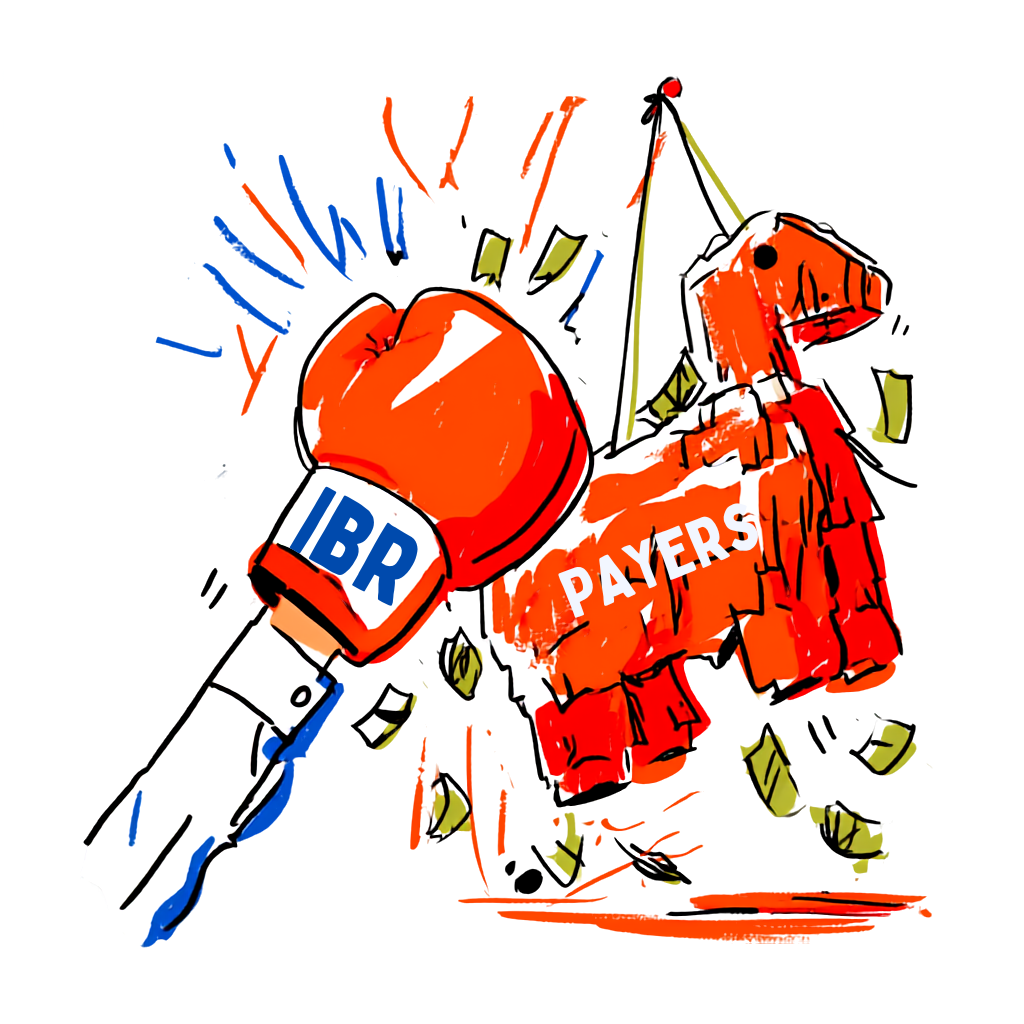
In effect, the CA DWC has created a system that rewards incorrect payment and punishes providers for fighting back. In the game we call “IBR Chicken,” payers can easily avoid paying providers correctly in three simple steps:
- Deny payment on spurious grounds.
- If the provider submits a Second Review appeal, deny again.
- If the provider pays the $195 filing fee and prevails at IBR, simply pay the amount in dispute (and nothing more).
For payers, IBR Chicken is a profitable no-brainer. In the worst-case scenario, they pay the provider only what was owed in the first place. Meanwhile, providers pay $195 out of pocket for each dispute, money they are unlikely to recover.
Providers’ filing fees are tied up for months or more while the CA DWC ignores its legal deadlines. In 2025, providers collectively paid over half a million dollars in filing fees. Even when Maximus decides in the provider’s favor (which was 82% of the time in 2025), payers routinely refuse to refund the filing fee as required by California law, which payers and the CA DWC ignore with impunity.
Who Profits From This Dysfunction?
If providers cannot rely on the CA DWC to adhere to laws meant to protect them, there's no financial incentive to treat injured workers.
Low reimbursement rates, rampant (and sometimes improper) discounting, unpunished payer non-compliance, and a state agency that undermines provider protections don’t characterize a system that prioritizes healing injured workers. They denote a system in which administrative waste and friction generate profits for payers, vendors, and private equity investors.
The consequences fall on injured workers, who struggle to find care, and employers who pay ever-higher premiums as the CA DWC abandons its responsibilities. Based on the evidence, it's fair to ask: who exactly does the CA DWC work for?
daisyBill protects providers by alerting practices to incorrect payments. Click to learn more:
BILL BETTER: DAISYBILL


.png)

DaisyBill provides content as an insightful service to its readers and clients. It does not offer legal advice and cannot guarantee the accuracy or suitability of its content for a particular purpose.

Shocked there aren't any comments on this! You are so right about every word. Because we are a small office it isn't financially feasible for us to file IBR for 195.00. We are shorted often on claims losing 14.26 on many. I send SBR-1 forms and rarely will they pay. With it being a low dollar amount it's not worth the time and money to do IBR even if it were found in our favor cause like you say then they don't reimburse our filing fee. It's a crooked system and someone should be held accountable! Don't stop exposing this stuff! Providers need you speaking on our behalf Daisybiil! Maybe CA DWC needs to fire somebody!